Ditch the Algorithm: How Indie Artists Are Building Ride-or-Die Fanbases From Scratch
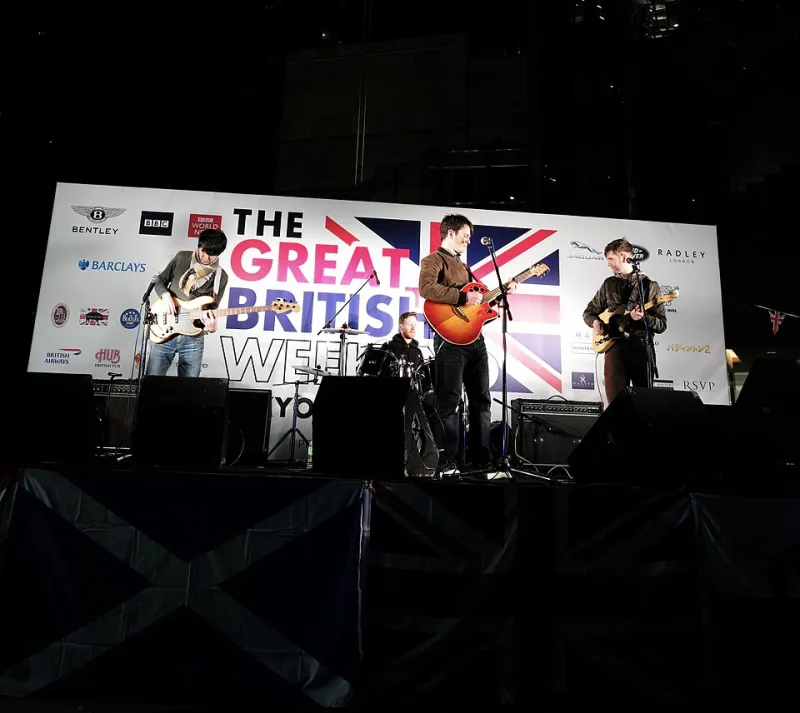
Photo: Minikimmy, CC BY-SA 4.0, via Wikimedia Commons
Let's talk about the dirty secret hiding inside every creator's analytics dashboard: organic reach is basically dead. Instagram buries your posts. TikTok's For You Page is a slot machine. Twitter — or whatever it's called this week — is a dumpster fire with a blue checkmark. And yet, somehow, independent artists are still building tight, loyal, genuinely engaged fanbases. They're just doing it in places the algorithm can't reach.
This is the quiet revolution happening in the indie creative underground right now. And if you're still pouring energy into chasing viral moments on platforms that don't care about you, you're going to want to pay attention.
Why the Algorithm Was Never Your Friend
Here's the fundamental problem with platform-dependent audience building: you don't own any of it. The followers, the engagement, the reach — it all belongs to the platform. One policy change, one shadowban, one poorly-timed algorithm update, and years of work can evaporate overnight.
Creators who built their entire strategy around Instagram Reels in 2021 know this feeling intimately. So do the YouTube creators who got hit by monetization policy changes. And the TikTokers currently sweating out potential US bans.
The smarter move? Build your audience somewhere you actually own the relationship.
Discord: The Underground Community Hub
If you haven't looked at Discord as a community-building tool lately, you're sleeping on it. What started as a gamer hangout has quietly become one of the most powerful spaces for indie creators to cultivate genuine community.
Lydia, an electronic music producer based in Atlanta, launched a Discord server for her listeners two years ago with zero expectations. Today it has over 1,200 members who beta-test her unreleased tracks, vote on merch designs, and show up to her live streams in real numbers.
"The difference between Discord and Instagram is insane," she told us. "On Instagram, I post something and maybe 3% of my followers see it. On Discord, when I drop a new track in the listening channel, I get 40 or 50 people responding within an hour. Those are real fans."
The key to a healthy Discord community, Lydia says, is treating it like a living room, not a broadcast channel. Show up, have actual conversations, let fans feel like insiders. The minute it becomes a one-way promotional feed, people leave.
Email Newsletters: The Oldest Trick in the Book (Still Works)
There's something almost rebellious about recommending email in 2024. It feels ancient. But email open rates for creator newsletters consistently outperform social media engagement by a wide margin — and unlike social followers, your email list is yours forever.
Derrick, a Chicago-based visual artist and muralist, started a biweekly newsletter two years ago after getting fed up with Instagram's declining reach. He now has 4,300 subscribers and says his newsletter drives more commissions than every social platform combined.
"I just talk to people like they're humans," he said. "I share what I'm working on, what's inspiring me, sometimes what's pissing me off. It's not polished. People respond to that."
For musicians, a newsletter is gold for tour announcements, pre-sale links, and merchandise drops. For visual artists and makers, it's the most direct line to people who actually want to buy. Platforms like Substack, Beehiiv, and Mailchimp make it dead simple to get started.
Patreon and Membership Tiers: Turning Fans Into Stakeholders
Patreon gets talked about a lot, but most creators underestimate what it can actually do when you build it right. The platform isn't just a tip jar — it's a way to give your most dedicated fans a reason to feel invested in your success.
The creators seeing the most success on Patreon aren't necessarily the most famous. They're the ones who've built tight communities around genuine access. Behind-the-scenes content, early releases, direct Q&A sessions, handwritten thank-you notes — small gestures that make supporters feel like they're part of something.
Rosa, a Brooklyn-based indie filmmaker and photographer, launched her Patreon with three tiers and a very clear value proposition for each one. Within six months, she was generating $1,800 a month from 230 patrons.
"I stopped thinking of it as asking for money," she said. "I started thinking of it as giving my real fans a VIP pass. The money is the side effect of the community."
Underground Live Events: The IRL Comeback
Here's something the algorithm genuinely cannot replicate: being in a room with people who love what you do.
Across the country, indie creators are leaning back into live experiences — not massive festivals, but intimate, intentional gatherings. Basement shows. Gallery pop-ups. Listening parties. Zine fairs. These events create the kind of emotional connection no TikTok video ever will, and they give fans a story to tell.
A collective of indie hip-hop artists in Detroit started hosting monthly listening sessions in a rented warehouse space. Tickets are cheap, the lineup rotates, and the whole thing is promoted almost entirely through a group chat and a simple email list. They sell out every month. No Instagram ads required.
"People are hungry for real experiences," one of the organizers told us. "They're tired of consuming content. They want to actually be somewhere."
Building Your Own Platform Stack
The move isn't to abandon social media entirely — it's to stop treating it as your foundation. Think of platforms like Instagram or TikTok as the top of the funnel: places where new people discover you. Your job is to move those people off-platform as quickly as possible and into spaces you control.
A simple stack that works for a lot of indie creators:
- Discovery layer: TikTok, Instagram Reels, YouTube Shorts
- Community layer: Discord server or private Facebook group
- Direct communication: Email newsletter
- Monetization layer: Patreon, Bandcamp, direct merch store
Each layer feeds the next. Someone finds you on TikTok, follows you on Instagram, joins your Discord, subscribes to your newsletter, and eventually becomes a paying Patreon supporter. That's a fan you own. That's a relationship no algorithm update can take from you.
The Long Game Wins
Building a real community is slower than going viral. It's less flashy. There are no dopamine hits from watching a video hit a million views. But the creators who are quietly building email lists, Discord servers, and Patreon communities right now are building something that will still be standing when the next platform implodes.
The underground has always been where the real stuff happens. That hasn't changed — it's just moved online.