Stronger Together: Why the Smartest Indie Creators Are Ditching the Solo Grind and Building Collectives
The Myth of the Lone Genius
We've been sold a very specific story about how creative success is supposed to work. One artist. One vision. One breakout moment. The rest is history, right?
Except that story leaves out a lot. It leaves out the collaborators, the community, the informal networks of people trading favors and lifting each other up. It leaves out the fact that almost every "solo" success story has a whole crew behind it that nobody talks about.
What's different now is that indie creators are making that crew official. They're formalizing the relationships, building structures around them, and discovering that collective power isn't just a feel-good concept — it's a legitimate competitive advantage.
This isn't a think piece about why community is nice. It's about why collectives are winning, and what the rest of us can learn from it.
What a Creative Collective Actually Looks Like
Before we go further, let's be clear about what we're talking about, because "collective" means different things to different people.
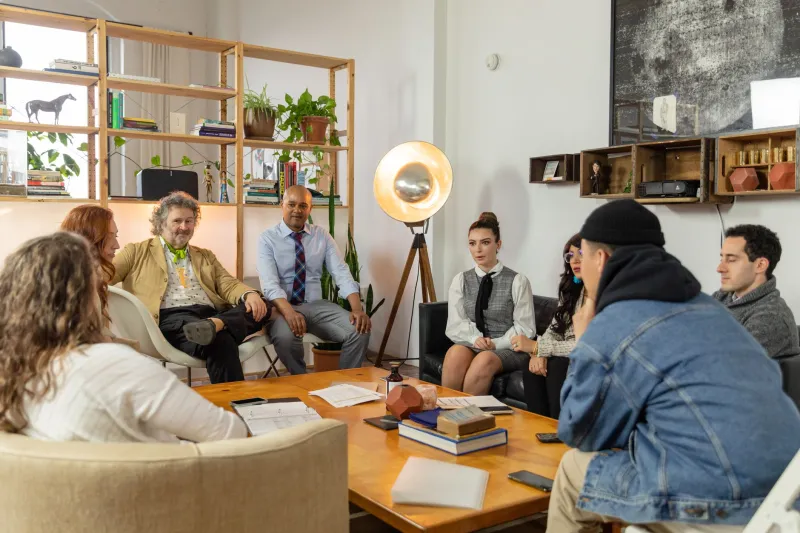
At its most basic, a creative collective is a group of independent artists who pool resources, share audiences, and collaborate on projects while maintaining their individual identities and work. It's not a label. It's not a management company. Nobody owns anybody. The power stays distributed.
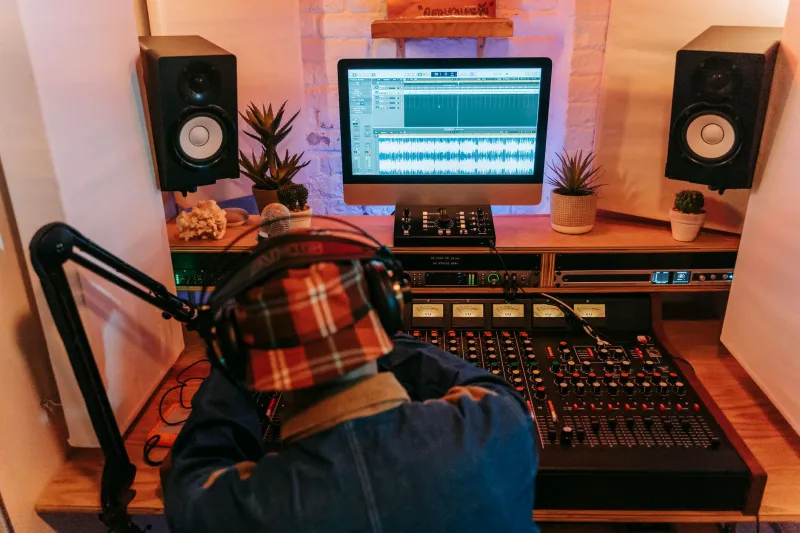
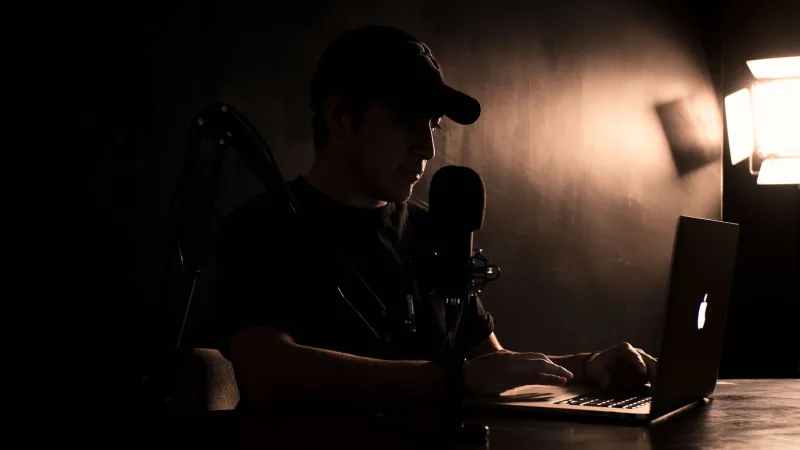
Some collectives are hyper-local — a group of Chicago painters who share a studio space and split the rent. Others are entirely digital — a network of podcasters across six states who cross-promote each other's shows and collaborate on live events a few times a year.
The structure varies. The underlying principle doesn't: we're stronger together than we are apart.
Real Collectives Doing Real Things
Look at what's been happening in cities like Los Angeles, Detroit, and Atlanta over the past several years. Underground music scenes in these cities have always operated on collective energy — producers sharing beats, rappers trading features, DJs building each other's reputations through shared bills. What's changed is that these informal networks are becoming intentional organizations.
In LA, visual art collectives have started pooling resources to negotiate gallery space, share equipment costs, and present unified exhibition proposals that individual artists could never pull off alone. The galleries take them more seriously because they come as a package — a built-in audience, a coherent aesthetic, a marketing machine that's already running.
In Nashville, a collective of independent singer-songwriters formed a touring cooperative that allows members to share booking contacts, split van rental costs, and build regional audiences together rather than competing for the same small venues. What used to be a zero-sum game — one act getting the gig while another doesn't — became a collaborative circuit.
Online, platforms like Discord have become the infrastructure for collectives that would have been impossible to organize even a decade ago. A group of indie game developers, a network of Twitch streamers, a collective of zine makers — all running as functional creative businesses with no physical headquarters and no traditional gatekeepers.
The Algorithm Problem and the Collective Solution
Here's the thing about Spotify, TikTok, Instagram, and every other platform that indie creators depend on: the algorithm rewards engagement, and engagement rewards reach. If you're a solo creator starting from zero, you're fighting for visibility against people who've already accumulated the followers that make the algorithm show them to more people. It's a compounding disadvantage.
Collectives break that loop. When five artists with 2,000 followers each operate as a collective, they're not just combining 10,000 followers — they're creating cross-pollination. Every member's audience becomes a potential audience for every other member. Collaborative content gets shared across multiple channels. The combined reach starts to look less like five small accounts and more like one mid-size media operation.
This isn't a hack or a workaround. It's just smart. The algorithm isn't going to start being fair to independent creators anytime soon. Building community-driven distribution is how you play the game on your own terms.
The Mental Health Angle Nobody Talks About Enough
Let's be honest about something: the independent creator life can be genuinely isolating. You're doing your own marketing, your own bookkeeping, your own everything, often in physical isolation, often without a clear sense of whether any of it is working. Burnout in the indie creator space is rampant, and it's not talked about nearly enough.
Collectives address this in ways that are hard to quantify but impossible to overstate. When you're part of a group of people who understand what you're going through — who are in the same financial uncertainty, facing the same creative blocks, dealing with the same platform frustrations — the psychological load gets lighter.
There's also accountability. When you've told your collective you're dropping a new project next month, you're a lot more likely to actually finish it. The community creates gentle pressure that solo creators have to manufacture artificially through productivity systems and self-discipline hacks.
Mutual aid networks within collectives take this further. Members covering each other's costs during slow periods, sharing equipment instead of everyone buying their own, trading skills — a graphic designer trading work with a musician who records their demo — these are real financial safety nets that don't require anyone to go into debt or compromise their creative independence.
The Competitive Advantage Nobody Expected
Here's the part that's genuinely surprising: collectives are starting to attract opportunities that individual artists can't access on their own.
Brands looking to reach indie-adjacent audiences are increasingly interested in collective partnerships because they offer broader reach and a more authentic community connection than a single influencer deal. Festivals and venues are booking collectives as curated experiences rather than just individual acts. Licensing opportunities that require a catalog of work become accessible when a collective pools its output.
The collective becomes greater than the sum of its parts in commercial terms, not just creative ones.
Building Your Own
If you're reading this and thinking about what a collective might look like for you, here's the practical starting point: find three to five creators in your space whose work you respect and whose values align with yours. Not just people you like hanging out with — people you'd trust with a shared financial decision.
Start small. A shared social media calendar. A monthly creative check-in. A group rate on a shared tool or subscription. See how the collaboration feels before you formalize anything.
The collectives that last aren't built on contracts and bylaws — they're built on trust and shared purpose. Get that foundation right and the rest of it figures itself out.
The underground has always known this. The question is whether you're ready to act on it.