The Real Price of Collab: What Nobody Tells You Before You Say Yes
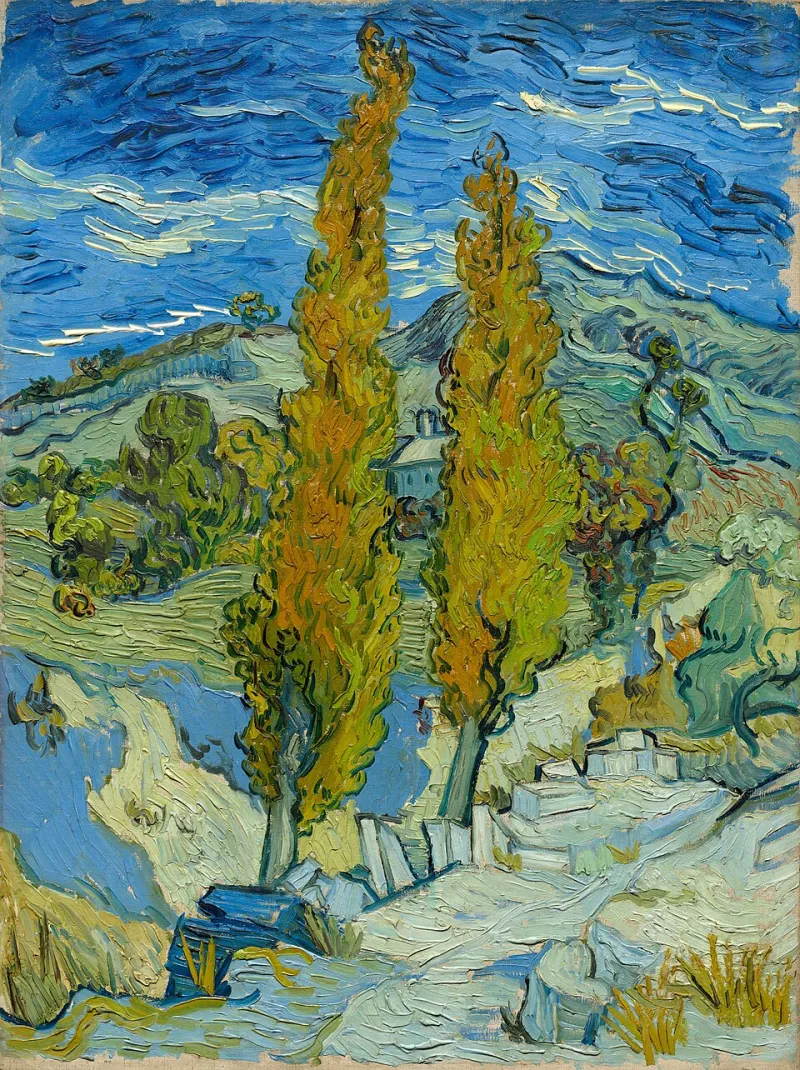
Photo: Vincent van Gogh, Public domain, via Wikimedia Commons
Every indie creator has a collab story. Sometimes it's the one that launched everything—the unexpected pairing that introduced them to a whole new audience and opened doors they didn't know existed. And sometimes it's the other kind. The project that dragged on for eight months, produced something neither party was proud of, and ended a friendship.
The creative internet loves to celebrate the wins. The joint EP that blew up. The co-directed short film that landed at festivals. The merch drop between two artists whose aesthetics somehow clicked perfectly. What gets talked about a lot less is the grind, the friction, and the genuine cost of making those things happen.
Let's fix that.
Time Is the First Thing You'll Spend
Before a single dollar changes hands, before any creative decisions get made, collaboration costs you time. And not just a little.
When you work alone, decisions happen at the speed of your own brain. You change direction when you feel like it. You pull an all-nighter when inspiration hits. You scrap something and start over without a conversation.
When you work with someone else, every one of those moments becomes a negotiation. Scheduling alone can eat weeks. Coordinating across different time zones, work schedules, and creative rhythms is genuinely hard. A project that might take you six weeks solo can stretch to four months in a collaboration, even when both parties are fully committed and professional.
This isn't a reason to avoid collabs. It's a reason to price them correctly in your head before you commit. If you're thinking about partnering on something, double your timeline estimate. Then add a buffer. Then mentally prepare to add more.
Creative Compromise Isn't Always Creative Growth
Here's one the self-help side of creator culture doesn't like to say out loud: sometimes creative compromise just makes the work worse.
The idealized version of collaboration is two distinct creative visions fusing into something neither could have produced alone. That does happen. It's beautiful when it does. But it requires a specific kind of chemistry—different enough to spark, similar enough to cohere—and that chemistry is rarer than the collab hype suggests.
More often, collaboration produces a version of the work that's been sanded down to a point where both people can live with it. The rough edges that made each creator's individual work interesting get smoothed away in the negotiation. You end up with something competent and inoffensive instead of something genuinely alive.
The creators who avoid this trap are usually the ones who do the hard work upfront: defining the creative hierarchy before the project starts. Who has final say on what? What's up for discussion and what isn't? What's the shared vision that both people are actually working toward, not just vaguely agreeing to?
If you can't answer those questions before the project starts, you're going to answer them in the middle of it—and that's a much more painful conversation.
The Money Split Is the Easy Part
Revenue splitting gets treated like the main financial complexity of collaboration, but it's actually the most straightforward piece. You agree on percentages, you put it in writing, you pay accordingly. Done.
The hidden financial costs are subtler and often more significant.
There's the opportunity cost of the time you spent on a collab that didn't pay off, time you could have spent on something that did. There's the cost of production resources—studio time, equipment, software, design work—that get split inconsistently or not at all. There's the marketing spend that one party assumes and the other doesn't contribute to. And there's the aftermath of a collab gone wrong: the audience confusion, the brand dilution, the awkward public fallout that can follow a partnership that ended badly.
None of this shows up in the original revenue split conversation, because none of it feels real until it is.
The fix is boring but essential: a written agreement before anything starts. Not because you don't trust your collaborator—you might trust them completely—but because having the conversation forces both parties to think through scenarios they'd otherwise avoid until they become problems.
When Collabs Actually Pay Off
Okay, enough of the cautionary stuff. Because collabs do work, and when they work, they work in ways that solo projects almost never can.
The clearest wins tend to share a few characteristics. First, the audiences are adjacent but not identical—both creators bring something genuinely new to the other's fans. Second, both parties have roughly equal skin in the game, financially and creatively. Third, the collaboration has a defined endpoint. Projects with clear finish lines get finished; ongoing partnerships without structure tend to drift and decay.
Take the indie music world as an example. Artists from complementary genres—say, an experimental hip-hop producer and an indie folk singer—who co-release an EP aren't just making music. They're introducing each other's audiences to something unexpected, which tends to generate real engagement because it's genuinely surprising. The friction between their styles, managed well, becomes the point.
Or consider visual artists who co-produce a limited merch run. The collaboration creates scarcity and novelty that neither could manufacture alone. The shared promotion reaches corners of the internet that neither would have found independently.
The common thread: the collaboration produces something that couldn't exist without both parties, and both parties can point to concrete value created on their side of the ledger.
A Framework for Deciding
Before you say yes to the next collab pitch, run it through this:
Audience overlap check. Does this person's audience include people who don't already know me? If the Venn diagram is basically one circle, the reach upside is limited.
Creative chemistry test. Have you made something small together before committing to something big? Even a single track, a short video, or a quick design project will tell you more about your working dynamic than any conversation will.
Resource equity scan. Who's bringing what, and does it feel balanced? Time, money, skills, audience size—these don't all need to be equal, but the imbalance needs to be acknowledged and accounted for.
Exit clarity. What does done look like? If you can't define the endpoint, you're signing up for something that ends when someone gets frustrated enough to quit.
Collaboration is one of the most powerful tools in the indie creator's kit. It's also one of the most expensive. Go in clear-eyed, and the returns can be real. Go in on vibes alone, and you'll have a great story to tell about the collab that almost broke you.