Forty Folding Chairs and a Real Projector: The Screening Circuit Hiding in Plain Sight
Photo: Philip Halling , CC BY-SA 2.0, via Wikimedia Commons
There is a specific kind of despair that comes from watching a submission portal refresh. You paid the fee, you wrote the cover letter, and now you're waiting on a programmer in another state who has 2,400 entries and a spreadsheet.
Meanwhile, forty miles away, there's an Elks lodge with a pull-down screen, a kitchen that will sell you a $6 plate of spaghetti, and a facilities guy named Dale who would be thrilled to have something to do on a Thursday.
That's the screening circuit. It's not a secret, exactly. It's just unglamorous enough that nobody's built a brand around it.
The room beats the marquee
Here's the thing nobody tells you at film school: a screening is not a distribution deal. It's a room full of people watching your work together, and then talking to you afterward. That's it. That's the whole event.
A festival with a red carpet and a nameless queue of other shorts is a credential. Forty people in a driving rain who came out because a local paper ran a two-paragraph blurb is a fan base. Different products entirely, and most independent filmmakers need the second one a lot more than they need the first.
Streaming doesn't care that you made the thing. An audience in a room has to actively choose to be there, and that choice is everything.
What the circuit actually looks like
It's a patchwork, and that's what makes it work. Any building with a screen, a sound system, and a willingness to host an event is a venue. In practice, that means:
- Veterans' halls and Elks lodges. Cheap, often already wired, and happy to rent for a flat fee. Book a Sunday afternoon and you'll get a better rate than a Saturday night.
- Drive-ins. More of them still operate than people assume, and many rent a screen on off-nights. A double feature in a car with your friends is a genuinely great time and the novelty does your marketing for you.
- Community centers and libraries. Free or close to it, ADA-accessible, and usually have a staffer whose job is literally to program events.
- Church basements. Yes, really. Be straightforward about content up front and the ones that say yes will be lovely hosts.
- Local theaters with dead weekday slots. A 90-seat house that sits empty on Tuesdays will absolutely take a rental and a cut of concessions.
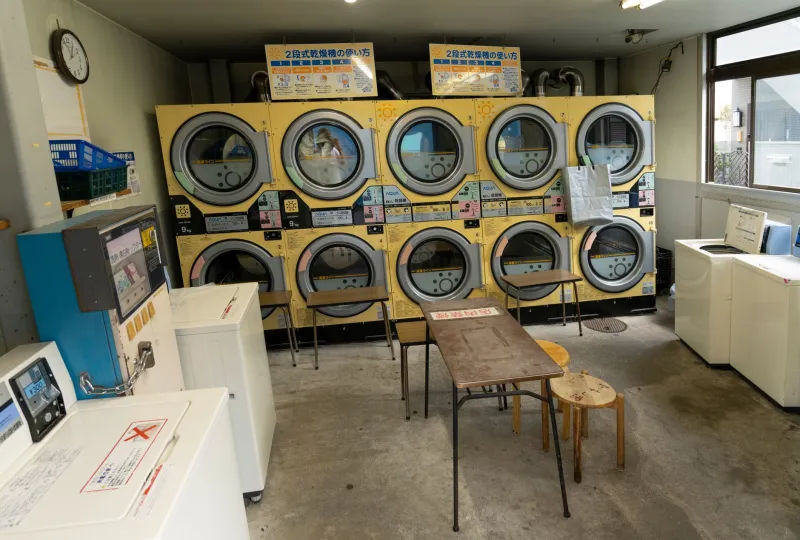
- Backyards, art spaces, record stores, and one very memorable laundromat.
Each one has a different personality and a different crowd. The lodge audience skews older and shows up early. The art space crowd arrives late and wants to talk for an hour. The drive-in crowd came for the experience and will forgive a lot.
Booking a hall without a publicist
Call the phone number that's posted on the building. Not the website form. The phone number.
Ask for the events contact, explain in two sentences what you're showing, and offer a specific date. "I'm a local filmmaker, I have a 78-minute documentary about a carpenter, and I'd like to rent the hall on Thursday, March 12. What does that cost?" You'll find out more in four minutes than in four weeks of emails.
When they say yes, put it in writing. Confirm the screen size, whether there's a projector, what the audio situation is, what hour you get the room, and whether alcohol is allowed. Then do a test run at the actual venue. Every projection nightmare in the history of independent film started with somebody assuming the HDMI cable would work.
Ask about the local paper and the community calendar. Ask whether the venue has a mailing list. Then post in the town's Facebook groups yourself, because nobody at the lodge is going to do that for you.
The door split, honestly
Most of these rooms run on simple math. Flat rental plus a split of ticket revenue, or just a flat rental and you keep everything else.
A realistic midweek night might look like this: 42 tickets at $10 brings in $420. The venue takes $150 flat. The projector rental runs $75. Posters, printing, and the snack table cost you $40. You're looking at around $155 back, plus whatever you sell in merch and however many people sign your mailing list.
You're not getting rich. That's not the point. What you're getting is a documented audience of 42 people in one town who have now seen your work on a big screen and heard you answer questions afterward. Repeat that in six towns over a year and you have something a streaming platform will never hand you: a geographic footprint.
Forty people who remember your name
One more argument for the folding-chair circuit. The retention math is better than it looks. In a stream, your viewer is one of millions and they retain about nothing. In a lodge, the guy who asked the third question at the Q&A will remember you for years, will take a photo with you, will tell his brother, and will buy the shirt.
That's not marketing. That's a relationship with a room, and rooms are where independent film actually lives.
So: call the lodge. Bring the projector if they don't have one. Print the poster even though it feels like 1997. And don't wait for anyone's permission to put your movie in front of forty people who showed up on purpose.