Where the Night Shift Gets Made: Laundromats, Diners, and the Off-Hours Geography of the Underground
The flyer said the show started at nine. The show actually started at 11:40, after the opener's amp blew and someone ran a cable through a window to a car battery. By 2 A.M., nobody wanted to leave. That's not a scheduling failure — that's the point.
If you want to understand how the independent scene actually functions, stop looking at the venues and the platforms. Look at what happens between the official stuff. Look at the hours when the city stops pretending to be awake.
The Laundromat Is the New Green Room
Talk to enough working creators and a pattern emerges: the places where things get made are rarely designed for making things.
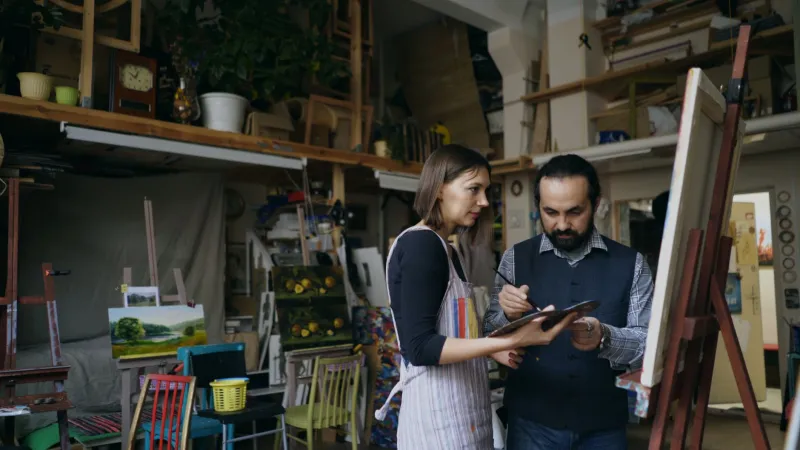
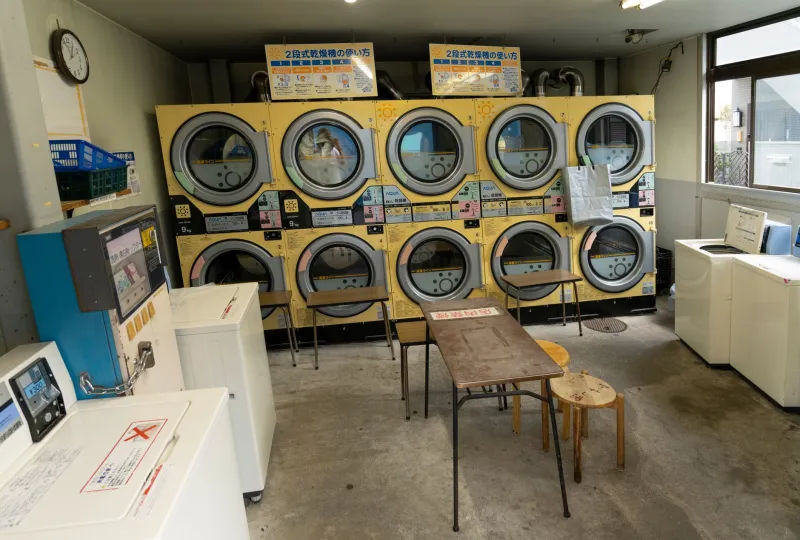
Marisol Vega, a visual artist in Albuquerque, does her best stencil work at the 24-hour washateria on Central Ave. "Nobody bothers you at 1 A.M. There's fluorescent light, a folding table, and the dryers make this hum that's almost a metronome," she says. "I've met three collaborators there. You're both stuck in this liminal space with nothing to do but talk."
There's a reason for this. Sociologist Ray Oldenburg called these spots "third places" — not home, not work, but the informal ground where community gets built. The problem is that most American third places close at 10 P.M. For people who work day jobs and make art at night, the only third places left are the ones that never lock their doors.
So the underground colonized them. Diner booths become portfolio reviews. Storage units become rehearsal rooms — technically against most facility rules, universally practiced anyway. Warehouse lofts with a hand-written "DO NOT CALL THE CITY ON US" sign become galleries for exactly one night.
Why Everything Good Happens After Midnight
It's tempting to romanticize this, but there are practical forces at work.
First, availability. A diner at 2 A.M. doesn't need a reservation, a cover charge, or a reason. The barrier to entry is a cup of coffee and the willingness to be there.
Second, anonymity loosens people up. The daytime versions of ourselves are guarded — networking, pitching, performing productivity. At 2 A.M., in a booth at a Waffle House outside Nashville, a producer will play you a track off his phone that he'd never post publicly. That track is usually better than the one he posted.
Third — and this is the part nobody says out loud — night spaces are cheap. The indie scene runs on surplus time, not surplus money. A storage unit runs $60 a month. A laundromat charges you for quarters, not rent. The all-night economy is the only economy a lot of creators can afford.
The Small-Town Version Hits Different
It's easy to assume this is a big-city phenomenon, but the after-hours scene might be more vital in smaller markets.
In Dayton, Ohio, a group of filmmakers has been meeting in the back of a friend's screen-printing shop every Thursday night for two years. No name, no socials, no agenda. "In LA, you need a reason to get together," one of them told me. "Here, the reason is that there's nothing else open and we're all broke and we might as well make something."
That's the quiet genius of the night-shift scene: it doesn't scale, and it doesn't want to. It runs on proximity and boredom and the specific chemistry of whoever shows up.
Protecting the Spaces That Protect Us
Here's the uncomfortable part: these spaces are fragile. Laundromats close when rents rise. Storage facilities crack down after one noise complaint. Warehouse lofts get "converted."
If you benefit from an after-hours space, treat it like the resource it is. Buy something from the diner. Know the laundromat attendant's name. Don't be the reason the storage unit manager starts doing surprise inspections. The underground survives on being good guests.
And when one of these spaces hosts your work — the loft that let you screen your film, the diner that let the open mic run past close — pay it back however you can. Bring people. Spend money. Fix the outlet you broke.
The official creative economy has plenty of lobbies and launch events. The real one runs on burnt coffee and dryer hum, and it'll still be there at 2 A.M. long after the next platform launch dies. Show up for it.